
Subnautica: 5 Essential Tips for New Players

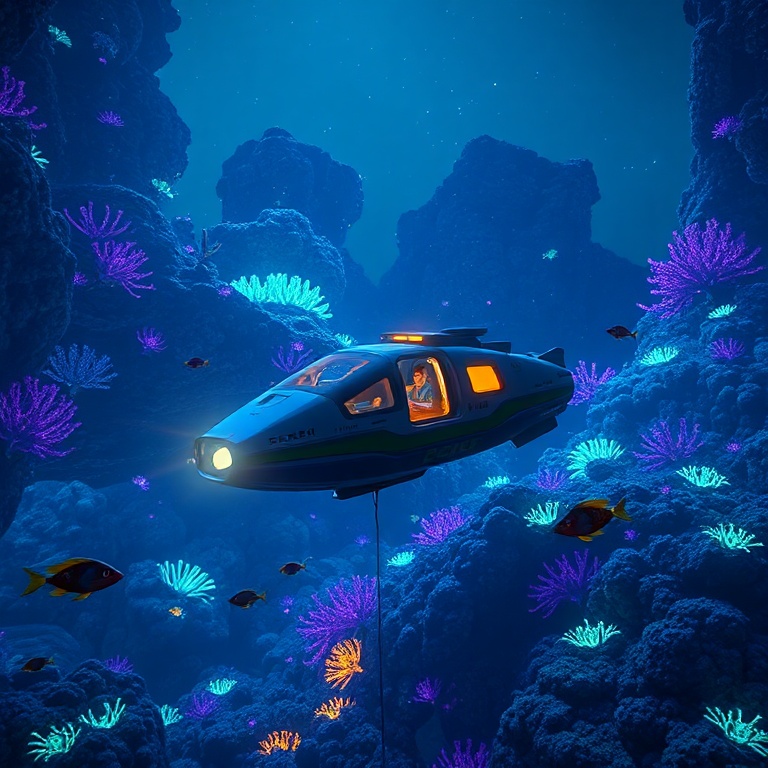
The vast, alien ocean of Subnautica beckons, a world brimming with both breathtaking beauty and terrifying dangers. For new players diving into this unique underwater survival game, the initial hours can be a mix of awe, confusion, and sometimes, sheer panic. Unlike many survival titles, Subnautica doesn’t hold your hand; it drops you into an expansive, mysterious aquatic environment with minimal guidance, expecting you to learn and adapt. This guide is designed to equip you with five essential tips that will significantly smooth your entry into the world of Subnautica, transforming potential frustration into thrilling discovery and successful exploration. Mastering these core principles will not only help you survive but truly thrive in the unknown depths of Planet 4546B.
Mastering Early Game Survival in Subnautica
Your first moments in Subnautica are crucial. Emerging from your lifepod, you’re immediately confronted with the enormity of the ocean. The key to early survival lies in methodical exploration and efficient resource gathering. Don’t rush into deep waters; instead, focus on establishing a stable foundation near your lifepod.
Prioritize Scanners and Tools for Your Subnautica Journey
The scanner is arguably your most vital tool in Subnautica. As soon as you can craft it, use it relentlessly. Scanning flora, fauna, and fragments will unlock blueprints for essential tools, vehicles, and base modules, revealing the secrets of this alien world. Prioritize crafting a fabricator, a repair tool to maintain your lifepod, and a knife for defense and resource collection.
Beyond the scanner, the repair tool is indispensable for fixing your lifepod’s flickering systems and later, your vehicles. The knife, while basic, provides a means of defense against smaller aggressive creatures and allows you to harvest specific plant resources crucial for crafting. Remember, every scanned fragment brings you closer to understanding and conquering the challenges of Subnautica.
Resource Management and Base Building Basics in Subnautica
Early resource gathering should focus on common materials like titanium, copper, and quartz. Titanium is essential for building, copper for electronics, and quartz for glass and advanced components. Keep an eye out for limestone outcrops and sandstone outcrops to collect these foundational elements.
Building a small, early base near your lifepod is a game-changer. A simple multipurpose room with a fabricator, storage lockers, and a power source (like a solar panel) provides a safe haven, a crafting hub, and much-needed storage space. This initial base will significantly reduce your trips back to the lifepod, allowing for more focused exploration in Subnautica.
Understanding Exploration and Danger in Subnautica
The world of Subnautica is designed to entice and terrify in equal measure. Exploration is at the heart of the game, but it must be approached with caution and preparation. Knowing when and where to venture is key to your long-term survival.
Navigating the Biomes and Depths of Subnautica
The ocean floor of Subnautica is divided into distinct biomes, each with its unique resources, creatures, and dangers. Start by exploring the relatively safe Shallows and Kelp Forests, gradually expanding your reach to the Grassy Plateaus and Sparse Reef. Pay attention to the depth limits of your equipment and vehicles; venturing too deep without proper upgrades can lead to catastrophic damage.
Depth modules for your Seamoth, Prawn Suit, and Cyclops are absolutely critical. Without them, your vehicles will be crushed under pressure, leaving you stranded. Always check your depth gauge and biome information before proceeding, ensuring your equipment can handle the pressure. The vastness of Subnautica demands respect for its environmental hazards.
Dealing with Hostile Wildlife in Subnautica
Subnautica is home to a diverse array of alien life, some of which are incredibly hostile. Early encounters might involve Stalkers, Gasopods, or Bonesharks. Later, you’ll face the truly terrifying Leviathan-class creatures like Reapers and Ghosts. The best strategy for most hostile encounters, especially with larger creatures, is evasion rather than confrontation.
Learn the sounds and visual cues that indicate a hostile creature’s presence. Equipping your Seamoth with perimeter defense and electric defense modules can provide a crucial escape window. For smaller threats, a propulsion cannon can be used to repel them, while the Prawn Suit offers more direct combat capabilities. Understanding the behavior patterns of aggressive fauna is paramount to surviving in Subnautica.
Essential Upgrades for Your Subnautica Journey
As you delve deeper into Subnautica, you’ll discover that progression is heavily tied to technological advancement. Crafting and upgrading vehicles and tools are not just conveniences; they are necessities for accessing new areas and surviving more extreme conditions.
Vehicle Progression: Seamoth, Prawn Suit, Cyclops in Subnautica
The Seamoth is likely your first true vehicle, offering speed and maneuverability in the upper and mid-depths. Prioritize its depth modules, storage, and defensive upgrades. Next, the Prawn Suit provides access to crushing depths and valuable resource mining, becoming essential for late-game exploration and resource gathering. Its drill arm and grapple arm modules are indispensable.
Finally, the Cyclops is your mobile base, a massive submarine capable of carrying your other vehicles and extensive supplies. While slow and resource-intensive, it’s vital for long expeditions into the deepest, most dangerous zones of Subnautica. Mastering each vehicle’s unique strengths and weaknesses is key to fully exploring the game’s world.
Advanced Tools and Equipment for Subnautica Exploration
Beyond vehicles, several personal tools and equipment upgrades will significantly enhance your capabilities. The Rebreather allows you to consume less oxygen at depth, extending your dive times. Ultra-glide fins dramatically increase your swimming speed, making surface travel and short dives more efficient. The reinforced dive suit provides damage resistance against environmental hazards and creature attacks, a crucial asset in challenging biomes.
Later in the game, tools like the Propulsion Cannon and Repulsion Cannon become invaluable. The Propulsion Cannon can manipulate objects, clear debris, and even weaponize environmental items, while the Repulsion Cannon offers a powerful defensive blast, pushing away aggressive creatures. Each upgrade in Subnautica opens up new possibilities and mitigates previously insurmountable challenges.
Food, Water, and Health: Sustaining Yourself in Subnautica
The primal needs of food and water are constant companions in Subnautica. Neglecting them will quickly lead to your demise, regardless of your advanced technology. Establishing reliable sources for sustenance is paramount.
Reliable Sources of Hydration and Nutrition in Subnautica
In the early game, Bladderfish are your primary source of purified water, easily caught and processed in the fabricator. Cooked peepers and other small fish provide nutrition. However, these are temporary solutions. As you progress, invest in a water filtration machine for your base, which produces large bottles of purified water, and build indoor or outdoor growbeds to cultivate sustainable food sources like nutrient blocks or creepvine samples. This self-sufficiency is a cornerstone of long-term survival in Subnautica.
Cured fish, produced by salting your catches, offers a longer shelf life and can be stored for extended expeditions. Combining a water filtration machine with a small farm within your base creates a robust system for managing your food and water needs, freeing you to focus on exploration and story progression. For more detailed information on efficient farming, the Subnautica Wiki is an excellent resource.
Managing Health and Status Effects in Subnautica
Your health bar is a precious commodity in Subnautica. Medkits, crafted from Creepvine samples, are your primary means of recovery. Always carry several, especially when venturing into unknown or dangerous areas. Be aware of status effects like poisoning from Gasopods or bleeding from creature attacks; these can quickly deplete your health if not addressed.
The reinforced dive suit, mentioned earlier, offers a layer of protection, reducing incoming damage. Avoiding risky encounters and knowing when to retreat are often the best strategies for maintaining health. Building a Medical Kit Fabricator in your base allows for a steady supply of medkits, ensuring you’re always prepared for the unexpected challenges that Subnautica throws your way.
Embrace the Mystery: Story Progression in Subnautica
Beyond survival, Subnautica weaves a compelling narrative of discovery, alien disease, and ancient civilizations. While the game provides subtle nudges, much of the story progression relies on your curiosity and willingness to explore.
Following Radio Signals and Data Logs in Subnautica
Your lifepod’s radio will periodically pick up distress signals and messages from other crashed vessels. These signals are vital plot points, guiding you to new locations, blueprints, and narrative revelations. Always follow these signals, as they are the primary drivers of the main storyline in Subnautica.
Equally important are the data logs you’ll find scattered throughout the world, often in wrecks or alien structures. These PDA entries provide crucial lore, hints about technology, and insights into the fate of previous inhabitants. Taking the time to read and understand these logs will deepen your appreciation for the rich narrative of Subnautica and point you towards your next objective.
Don’t Rush, Enjoy the Journey in Subnautica
One of the most valuable pieces of advice for playing Subnautica is to simply enjoy the journey. The game is not about rushing to the end; it’s about the wonder of discovery, the thrill of overcoming challenges, and the immersive experience of exploring an alien ocean. Take your time to build magnificent bases, experiment with different vehicle loadouts, and simply marvel at the diverse ecosystems.
There’s no single “right” way to play. If you find yourself stuck on a story objective, take a detour. Explore a new cave, scan some unusual fauna, or upgrade your favorite vehicle. Often, these detours will organically lead you to the resources or information you need. The magic of Subnautica lies in its freedom and the sense of genuine exploration it fosters.
Conclusion
Diving into Subnautica is an unforgettable experience, a journey into the heart of an alien ocean that is both beautiful and terrifying. By prioritizing early game survival, understanding the nuances of exploration and danger, investing in essential upgrades, maintaining your vital needs, and embracing the game’s unique narrative progression, you’ll be well-prepared to face anything Planet 4546B throws at you. Remember to scan everything, build smart, and always keep an eye on your oxygen. The depths of Subnautica await your discovery, promising countless hours of wonder and adventure.
Are you ready to embark on your own underwater odyssey? Grab your gear, craft your tools, and plunge into the captivating world of Subnautica today. Share your own essential tips or first experiences in the comments below, and let’s keep the spirit of underwater exploration alive! You can find more information about the game and its developers, Unknown Worlds Entertainment, on their official website.






Leave a Comment