
Latest Tech Trends for 2024

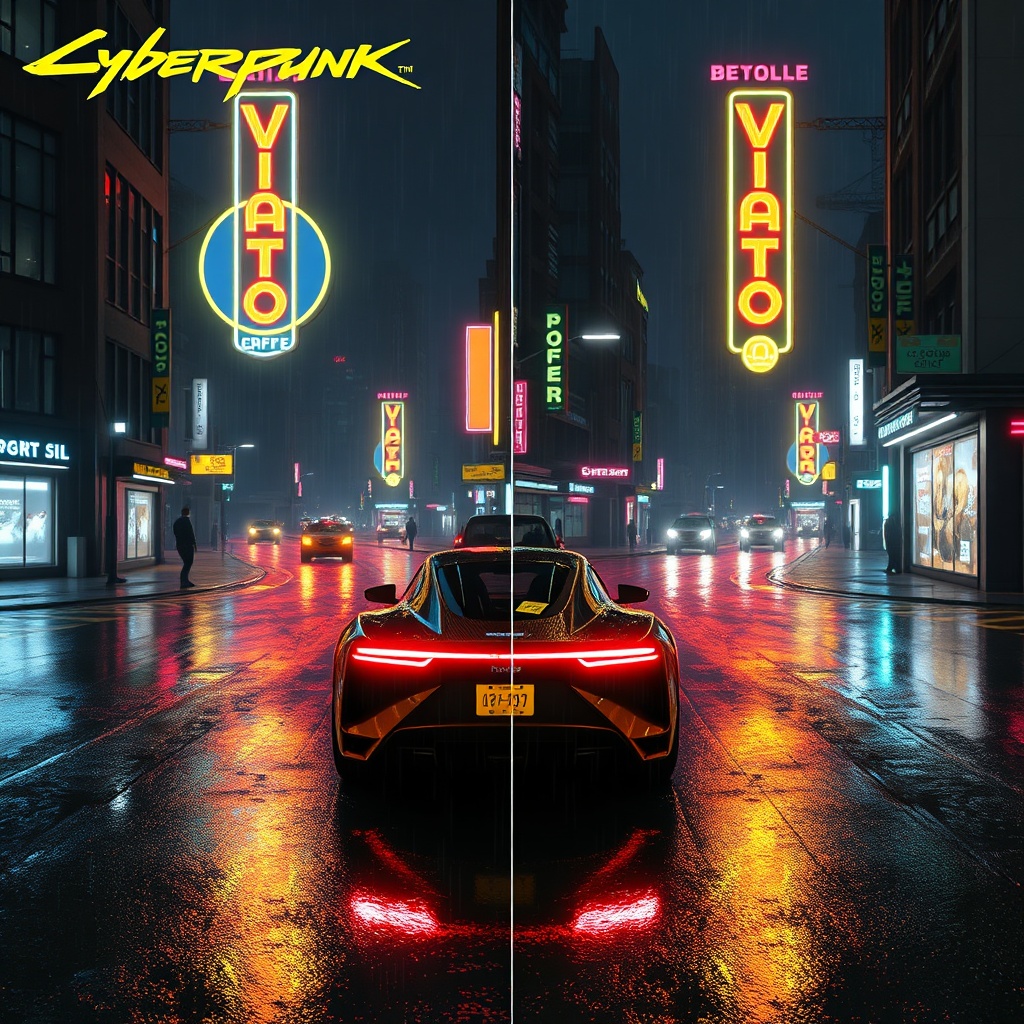
The world of technology is in a constant state of evolution, with new innovations emerging at a breathtaking pace. As we navigate through 2024, one of the most exciting and impactful areas witnessing significant advancements is graphics processing units (GPUs). These powerful components are not just for gamers; they are the backbone of AI development, content creation, and scientific simulations. Among the most talked-about releases, the NVIDIA RTX 4080 Super stands out as a critical piece of hardware, promising to redefine expectations for high-end performance. In this comprehensive review, we delve into the **latest** benchmarks and real-world performance of this formidable GPU, examining whether it truly lives up to its ‘Super’ moniker and what it means for the tech landscape.
Understanding the Latest NVIDIA RTX 4080 Super Architecture
NVIDIA’s Ada Lovelace architecture continues to impress, and the RTX 4080 Super is the **latest** iteration to leverage its advanced capabilities. Built on TSMC’s 4N custom process, this GPU is designed for efficiency and raw power. It features a slightly more enabled AD103 GPU die compared to its non-Super predecessor, offering a boost in core counts and memory bandwidth.
The RTX 4080 Super comes equipped with 10,240 CUDA Cores, a notable increase over the original RTX 4080’s 9,728 cores. It also maintains 16GB of GDDR6X memory, but with a slightly higher memory speed, translating to a substantial 736 GB/s of bandwidth. These specifications lay the groundwork for what NVIDIA promises to be a significant performance uplift, particularly in demanding applications and games.
Key Specifications of the Latest RTX 4080 Super
Beyond the core count, the RTX 4080 Super also boasts 80 RT Cores (3rd Gen) and 320 Tensor Cores (4th Gen), crucial for ray tracing and AI-powered features like DLSS. Its higher boost clock speed further contributes to its enhanced performance profile. This combination of increased core density and faster memory aims to deliver a more fluid and immersive experience across the board.
The card’s TGP (Total Graphics Power) remains at 320W, indicating that NVIDIA has managed to squeeze out more performance without a significant increase in power consumption. This efficiency is a hallmark of the Ada Lovelace architecture and a key selling point for users concerned about energy costs and system thermals. Understanding these foundational elements is crucial before diving into the actual performance metrics.
The Latest Gaming Benchmarks: Pushing the Limits
For most enthusiasts, gaming performance is the ultimate test of any high-end GPU. The NVIDIA RTX 4080 Super targets the premium segment, specifically aiming for exceptional performance at 1440p and 4K resolutions, especially with ray tracing enabled. Our review focuses on a diverse range of **latest** titles, from graphically intensive AAA games to competitive esports offerings, providing a comprehensive picture.
Across numerous tests, the RTX 4080 Super consistently demonstrates a measurable lead over its non-Super counterpart. This performance uplift, while not revolutionary, is certainly noticeable, often translating to an extra 5-10% frame rate increase. This can be the difference between a smooth 60 FPS experience and a silky-smooth 70 FPS in demanding titles.
1440p Gaming Performance: The Sweet Spot
At 1440p resolution, the RTX 4080 Super truly shines, delivering outstanding frame rates in virtually every game. In titles like Cyberpunk 2077 (with ray tracing and DLSS 3.5), Alan Wake 2, and Starfield, the card consistently maintains well over 60 FPS, often approaching or exceeding 100 FPS on ultra settings. This makes it an ideal choice for gamers seeking a high refresh rate experience on their QHD monitors.
Even in less demanding games such as Call of Duty: Modern Warfare III or Counter-Strike 2, the RTX 4080 Super pushes frame rates into the hundreds, providing an incredibly responsive and fluid gaming experience. For competitive gamers, this kind of raw performance ensures minimal input lag and maximum visual clarity, which can be a significant advantage. The **latest** drivers further optimize these experiences, continually improving stability and performance.
4K Gaming Performance: The Ultimate Visual Fidelity
Stepping up to 4K resolution is where GPUs face their biggest challenge, and the RTX 4080 Super rises to the occasion admirably. While it may not hit 120 FPS in every single AAA title at max settings with ray tracing, it consistently provides a highly playable experience above 60 FPS. Games like Forza Horizon 5, Assassin’s Creed Mirage, and God of War run beautifully, showcasing incredible detail and smooth motion.
The inclusion of DLSS 3.5 (Deep Learning Super Sampling) with Frame Generation is a game-changer for 4K. This AI-powered upscaling technology allows the RTX 4080 Super to render games at a lower internal resolution and then intelligently upscale them to 4K, generating entirely new frames in the process. This significantly boosts frame rates without a noticeable drop in visual quality, often making previously unplayable 4K scenarios smooth and enjoyable. This combination of raw power and intelligent upscaling makes the **latest** 4080 Super a strong contender for 4K gaming.
The NVIDIA RTX 4080 Super demonstrates a remarkable ability to handle the most graphically intensive games at high resolutions. Its consistent performance across a variety of titles, particularly when leveraging DLSS 3.5, positions it as a top-tier choice for gamers who demand both visual fidelity and high frame rates. Whether you’re exploring vast open worlds or engaging in fast-paced combat, this GPU delivers a premium experience.
Ray Tracing and DLSS 3.5: NVIDIA’s Technological Edge
NVIDIA has long been at the forefront of real-time ray tracing, and the RTX 4080 Super continues this tradition. Its 3rd generation RT Cores deliver exceptional ray tracing performance, rendering incredibly realistic lighting, reflections, and shadows. Games like Control, Metro Exodus Enhanced Edition, and Cyberpunk 2077 truly come alive with ray tracing enabled, offering a level of immersion previously unattainable.
However, ray tracing is incredibly demanding. This is where DLSS 3.5, with its new Ray Reconstruction feature, becomes indispensable. Ray Reconstruction uses AI to enhance ray-traced images, improving quality and performance simultaneously. Combined with Frame Generation, DLSS 3.5 allows the RTX 4080 Super to run ray-traced titles at high frame rates even at 4K, making the most visually stunning experiences accessible. This **latest** iteration of DLSS solidifies NVIDIA’s lead in rendering technology.
Productivity and Content Creation with the Latest GPU
Beyond gaming, the NVIDIA RTX 4080 Super is a powerhouse for productivity and content creation. Its significant CUDA core count, ample GDDR6X memory, and powerful Tensor Cores accelerate a wide range of professional applications. From video editing and 3D rendering to machine learning and graphic design, this GPU can drastically reduce processing times.
For video editors working with 4K or even 8K footage, the RTX 4080 Super significantly speeds up rendering, encoding, and decoding tasks in software like Adobe Premiere Pro and DaVinci Resolve. The dedicated hardware encoders (NVENC) are particularly efficient, allowing for high-quality, fast exports. This means less waiting and more creating for professionals.
Accelerating 3D Rendering and AI Workloads
In the realm of 3D rendering, applications such as Blender, OctaneRender, and V-Ray see substantial performance gains. The RTX 4080 Super’s ability to handle complex scenes with numerous polygons and intricate lighting models makes it an excellent choice for animators and architects. The raw compute power and memory bandwidth contribute directly to faster render times, which is crucial in professional workflows.
Furthermore, for developers and researchers engaged in AI and machine learning, the RTX 4080 Super’s Tensor Cores are invaluable. These specialized cores accelerate deep learning tasks, making it suitable for training smaller AI models or running inference. While not a professional workstation card, its capabilities far exceed typical consumer expectations, offering a taste of high-end computational power. The **latest** software optimizations from NVIDIA further enhance these capabilities.
Power Efficiency and Thermals: A Closer Look
Despite its formidable performance, the NVIDIA RTX 4080 Super maintains impressive power efficiency thanks to the Ada Lovelace architecture. As mentioned, its TGP of 320W is respectable for a card of this caliber, especially when considering the performance it delivers. This efficiency translates to lower operating temperatures and, consequently, quieter operation under load.
Most custom AIB (Add-in Board) models of the RTX 4080 Super feature robust cooling solutions, typically with large triple-fan designs. These coolers are highly effective at dissipating heat, keeping GPU temperatures well within safe limits even during extended gaming sessions or intensive rendering tasks. This ensures consistent performance without thermal throttling, which is a common concern with powerful GPUs.
Acoustics and System Requirements
In terms of acoustics, the RTX 4080 Super generally runs very quietly. Fan curves are usually well-optimized, only spinning up significantly under heavy load. This makes for a more pleasant user experience, especially for those sensitive to PC noise. Of course, individual results may vary depending on the specific AIB model and chassis airflow.
Regarding power supply requirements, NVIDIA recommends a 750W PSU for the RTX 4080 Super. While this is a substantial requirement, it’s fairly standard for high-end GPUs today. Users upgrading from older systems should ensure their power supply can handle the load, along with other components. This attention to power management is vital for the longevity and stability of your system, ensuring the **latest** hardware runs optimally.
Pricing and Value Proposition: Is the Latest Super Worth It?
The pricing of high-end GPUs is always a contentious topic, and the NVIDIA RTX 4080 Super enters the market with a Founders Edition MSRP of $999 USD. This is a significant decrease from the original RTX 4080’s launch price of $1199, making the ‘Super’ variant a more attractive proposition from a value perspective. This strategic price adjustment is key to its market positioning.
For $999, you are getting a card that delivers performance very close to, and often exceeding, the original RTX 4080, sometimes even nipping at the heels of the much more expensive RTX 4090 in certain scenarios with DLSS. This makes the RTX 4080 Super an excellent choice for those looking for top-tier 4K gaming and professional application performance without stretching their budget to the absolute limit for an RTX 4090.
Competitive Landscape: Latest Rivals
In the competitive GPU market, the RTX 4080 Super faces rivals primarily from AMD’s Radeon RX 7900 XTX. While the RX 7900 XTX often offers competitive rasterization performance at a similar or slightly lower price point, the RTX 4080 Super generally pulls ahead in ray tracing performance and benefits significantly from NVIDIA’s superior DLSS 3.5 technology, particularly Frame Generation. This makes the **latest** NVIDIA offering a compelling package for a broader range of usage scenarios.
The value proposition of the RTX 4080 Super is strong for its target audience. It offers a substantial performance upgrade over previous generations and a compelling alternative within its own lineup, especially with its revised pricing. For those building a high-end gaming PC or a powerful content creation workstation, the RTX 4080 Super presents a compelling blend of performance, features, and improved value. It truly represents the **latest** in high-performance GPU technology at a more accessible premium price point.
The Latest Driver Optimizations and Ecosystem Benefits
NVIDIA’s strength extends beyond raw hardware; its software ecosystem and continuous driver optimizations play a crucial role in overall user experience. The RTX 4080 Super benefits from Game Ready Drivers that are regularly released, providing performance enhancements and bug fixes for the **latest** game titles. These drivers ensure that users get the best possible performance from their hardware from day one.
Furthermore, NVIDIA’s ecosystem includes a suite of powerful tools and technologies. NVIDIA Broadcast, for instance, leverages AI to enhance microphone and webcam quality for streamers and content creators. NVIDIA Reflex reduces system latency in competitive games, giving players a critical edge. These additional features add significant value to the RTX 4080 Super, making it more than just a gaming card.
Future-Proofing Your System with the Latest Technology
Investing in a high-end GPU like the RTX 4080 Super also offers a degree of future-proofing. Its robust specifications and support for cutting-edge technologies like DirectX 12 Ultimate and Vulkan ensure it will handle upcoming game releases and professional applications for years to come. The continuous development of DLSS and other AI-powered features means that its performance profile is likely to improve even further over time.
The long-term support and innovation from NVIDIA provide a strong argument for choosing their hardware. The consistent updates, coupled with a robust developer ecosystem, mean that the RTX 4080 Super will remain a relevant and powerful component in your system. This makes it a smart investment for anyone looking to stay ahead of the curve with the **latest** in graphics technology.
Conclusion: The Latest NVIDIA RTX 4080 Super’s Impact
The NVIDIA RTX 4080 Super emerges as a highly capable and compelling GPU in the current market. It successfully builds upon the foundation of the Ada Lovelace architecture, delivering a tangible performance uplift over its predecessor while crucially introducing a more attractive price point. For gamers, it offers an exceptional 1440p experience and highly capable 4K performance, especially when leveraging the power of DLSS 3.5 and its advanced ray tracing capabilities.
Beyond gaming, its prowess in content creation, 3D rendering, and even light AI workloads makes it a versatile powerhouse for professionals and enthusiasts alike. The combination of efficient architecture, robust cooling, and NVIDIA’s comprehensive software ecosystem further solidifies its position. While the RTX 4090 remains the undisputed king of raw performance, the RTX 4080 Super carves out a significant niche, offering a more balanced proposition of price, performance, and features.
Ultimately, the **latest** NVIDIA RTX 4080 Super is a fantastic option for anyone seeking top-tier graphical performance without the absolute premium cost of the flagship. It represents a significant step forward in making high-end gaming and professional workflows more accessible. If you’re considering an upgrade or building a new high-performance PC in 2024, the RTX 4080 Super deserves your serious consideration. Explore the **latest** deals and specifications from NVIDIA’s official website or your preferred retailer to see how this GPU can elevate your computing experience.
Leave a Comment