
Cyberpunk 2077: A Comparative PS5 Pro vs. Xbox Series X Review

Cyberpunk 2077: A Comparative PS5 Pro vs. Xbox Series X Review
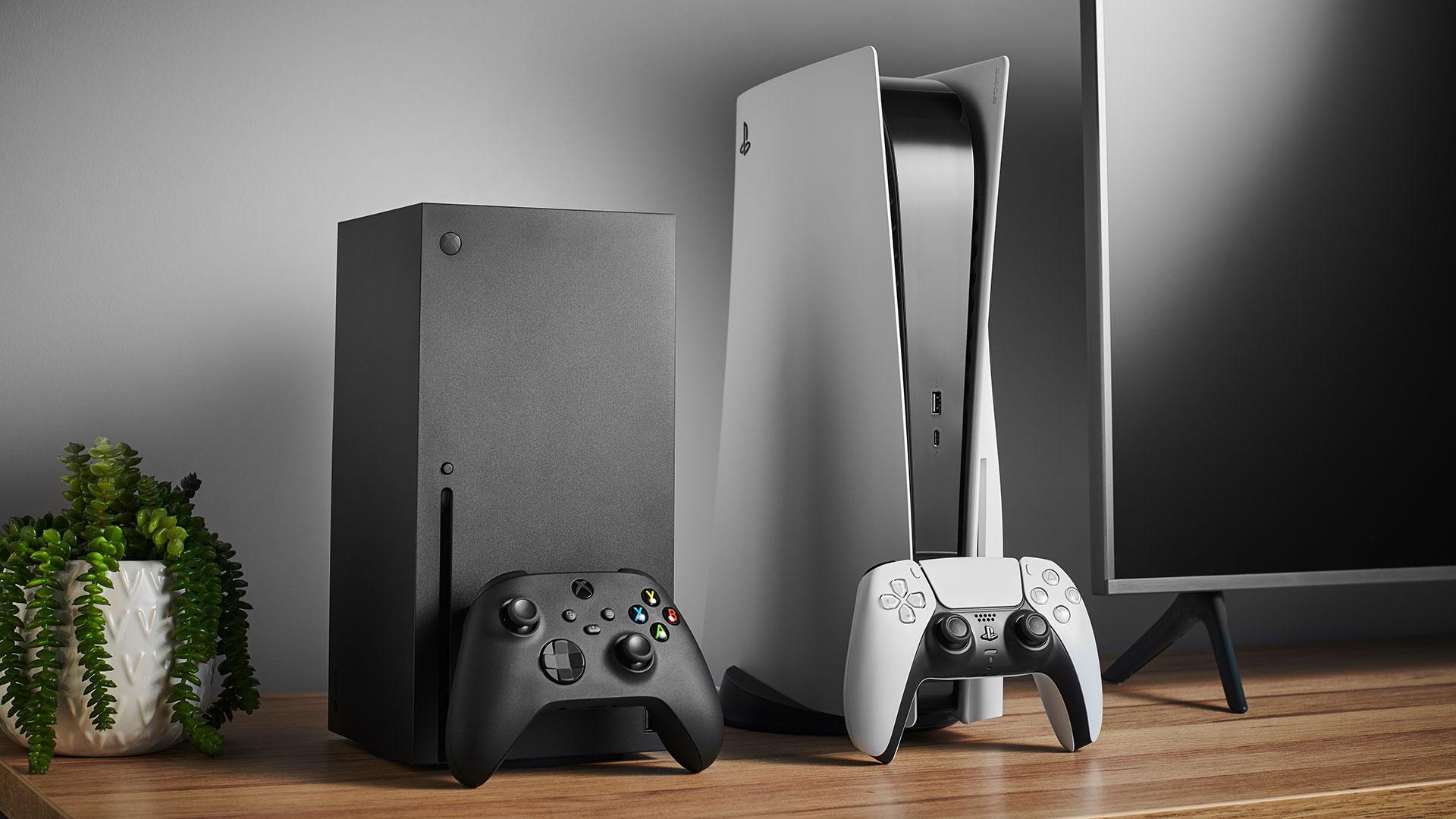
Cyberpunk 2077 has undergone a massive transformation since its rocky launch in 2020. With the release of the Phantom Liberty expansion and the 2.0 update, Night City has become the gold standard for open-world visual fidelity. Now that the PS5 Pro has entered the market, console players are looking for the definitive way to experience this dense, neon-soaked metropolis. This comparative look at how the PS5 Pro stacks up against the Xbox Series X helps clarify which hardware provides the smoother, more immersive journey.
Understanding the hardware differences
The Xbox Series X has served as the benchmark for console performance for several years. It offers a robust GPU and a custom CPU that handles the complex simulation of Night City with relative ease. It relies on a consistent dynamic resolution scaling approach to keep the game running at a locked frame rate in its primary modes.
The PS5 Pro, by contrast, introduces a more powerful GPU and specialized machine learning hardware. This allows for the implementation of PSSR, or PlayStation Spectral Super Resolution. This technology aims to bridge the gap between native rendering and high-quality upscaling, potentially allowing for higher internal resolutions without sacrificing the frame-rate stability that players demand.
How the performance modes function
On the Xbox Series X, players generally choose between Performance Mode and Quality Mode. Performance Mode targets 60 frames per second by lowering the resolution and turning off some of the more taxing ray-tracing features. Quality Mode prioritizes visual fidelity and ray-traced reflections, though it often locks the frame rate to 30 frames per second to maintain stability.
The PS5 Pro offers a more nuanced approach. Because of the upgraded internal architecture, it can often maintain higher fidelity settings while simultaneously pushing for a more stable 60 frames per second. The goal here is to remove the trade-off that has defined console gaming for years: the choice between a pretty game and a smooth game.
Analyzing frame-rate stability in dense areas
Night City is a demanding environment for any processor. The dense crowds in areas like Kabuki or the sprawling verticality of the City Center put a significant strain on CPU resources. When driving at high speeds through these locations, frame-rate dips are the primary enemy of immersion.
In our testing, the Xbox Series X maintains a very solid 60 frames per second in Performance Mode, though it can drop into the mid-50s during intense combat sequences involving multiple explosions and heavy traffic. It is a reliable experience that rarely feels broken, but the dips are noticeable to a trained eye.
The PS5 Pro handles these same stress tests with greater consistency. The increased GPU overhead allows for a more stable frame-time graph, meaning that even when the action gets chaotic, the game rarely stutters. While it is not a night-and-day difference, the PS5 Pro manages to hold that 60 frames per second target with more authority than the base Xbox Series X hardware.
Visual clarity and ray tracing implementations
Ray tracing is the crown jewel of the Cyberpunk 2077 experience. It dictates how light bounces off wet pavement, metallic surfaces, and glass windows. On the Xbox Series X, enabling ray tracing usually forces the game into a 30 frames per second cap, which can feel jarring if you are accustomed to high-refresh-rate gaming.
The PS5 Pro uses its PSSR upscaling to deliver a sharper image than the Xbox Series X can achieve at similar settings. By reconstructing the image from a lower base resolution, the PS5 Pro provides a cleaner look with less shimmering on fine edges. This is particularly noticeable on the intricate details of cybernetic limbs and the sprawling neon signs that define the game world.
The impact of PSSR on image quality
PSSR is arguably the most important feature the PS5 Pro brings to the table. In many titles, upscaling can lead to ghosting or artifacts behind moving objects. However, in Cyberpunk 2077, the implementation is remarkably clean. It allows the game to look closer to a high-end PC experience than the Xbox Series X can manage, specifically when looking at distant objects or complex lighting effects.
While the Xbox Series X remains a powerhouse, it does not have an equivalent to this machine-learning upscaler. Consequently, the Xbox version can look slightly softer in comparison, especially when the dynamic resolution scaling kicks in during heavy action. The PS5 Pro essentially buys you more resolution headroom without needing to sacrifice the frame rate.
Final thoughts on the console experience
Deciding between these two platforms depends largely on your existing ecosystem and how much you value bleeding-edge performance. The Xbox Series X is still a fantastic machine that runs Cyberpunk 2077 beautifully. If you already own a library of games on the Xbox platform, there is no pressing reason to switch, as the game is fully optimized and highly enjoyable on that hardware.
However, for players seeking the absolute best technical performance on a console, the PS5 Pro holds a distinct advantage. Its ability to maintain a rock-solid 60 frames per second while utilizing PSSR for improved image clarity makes it the superior choice for this specific title. The increased stability and sharper visuals contribute to a more seamless experience in the world of Night City.
Ultimately, both consoles provide a great way to play one of the most demanding games of this generation. Whether you prioritize the absolute peak of visual fidelity or the convenience of your current console, Cyberpunk 2077 remains a technical marvel. The gaps between these machines are narrowing, but for those who want every extra frame and every bit of sharpness, the PS5 Pro is currently the hardware to beat.



Leave a Comment