
Final Fantasy Vii: A Timeless RPG Masterpiece

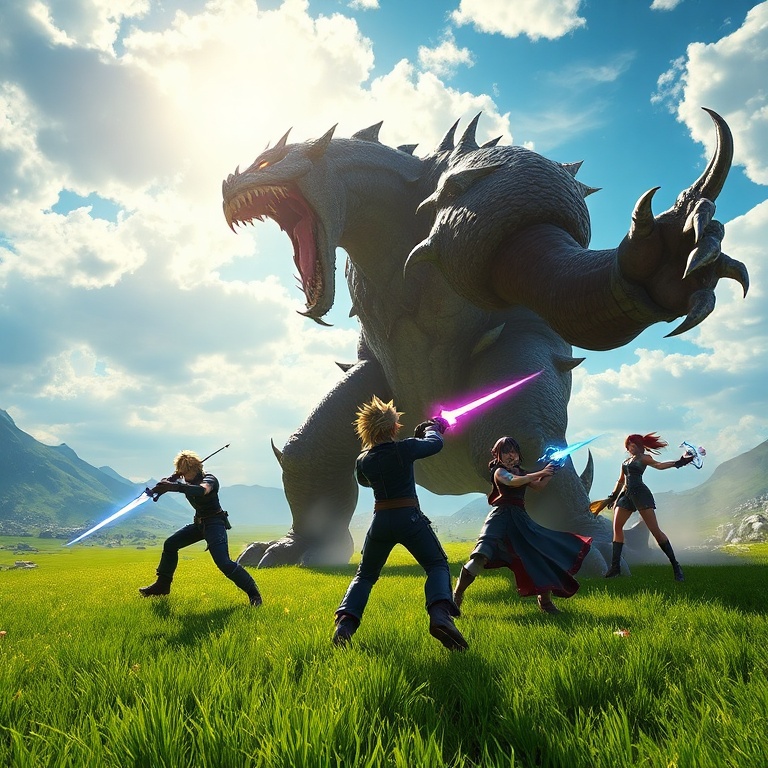
The legacy of Final Fantasy Vii is not merely a testament to a groundbreaking video game; it’s a cultural phenomenon that redefined what role-playing games could achieve. From its deeply resonant narrative to its unforgettable characters and revolutionary gameplay mechanics, the original PlayStation title carved an indelible mark on the hearts of millions. Decades later, Square Enix embarked on an audacious journey to reimagine this masterpiece for a new generation, a saga culminating in its second monumental installment: Final Fantasy VII Rebirth. The burning question on every fan’s mind, and indeed, the core of this discussion, is whether Rebirth lives up to the colossal expectations set by its predecessor and the original Final Fantasy Vii itself. Is it a masterful continuation that elevates the saga, or does it falter under the immense pressure, becoming a misstep in its ambitious stride?
Final Fantasy VII Rebirth picks up directly after the dramatic conclusion of Final Fantasy VII Remake, thrusting Cloud Strife and his companions out of Midgar and into the vast, dangerous world of Gaia. This transition alone signifies a massive shift in scope and ambition, moving from the linear, corridor-like progression of the first part to an expansive, semi-open world experience. The game’s very premise hinges on exploring the unknown, both literally across the map and metaphorically through its evolving narrative, which promises to diverge in significant ways from the path long-time fans of Final Fantasy Vii remember.
Revisiting the World of Final Fantasy Vii in Rebirth
One of the most immediate and striking aspects of Final Fantasy VII Rebirth is its breathtaking visual presentation and the sheer scale of the world it invites players to explore. Leaving the steel confines of Midgar behind, players are introduced to diverse biomes, from the arid canyons of the Grasslands to the vibrant beaches of Costa del Sol and the mystical forests surrounding Gongaga. Each region feels distinct, brimming with unique flora, fauna, and environmental puzzles that encourage thorough exploration.
Visual Fidelity and Exploration in Final Fantasy Vii Rebirth
The graphical fidelity is nothing short of astounding, pushing the PlayStation 5 to its limits. Character models are incredibly detailed, displaying nuanced facial expressions that convey a wide range of emotions, enhancing the narrative’s impact. The environments, too, are rendered with meticulous care, showcasing dynamic weather effects, realistic lighting, and intricate textures that truly bring the world of Final Fantasy Vii to life. From the shimmering waters to the rustling leaves, the world feels alive and responsive, drawing players deeper into its embrace.
Exploration is a core tenet of Rebirth, moving beyond the traditional JRPG world map. Players can traverse these large zones on foot, by chocobo, or even using unique regional mounts, uncovering hidden treasures, side quests, and powerful enemies. The freedom to wander and discover is exhilarating, providing a refreshing contrast to the more constrained environments of Remake and a significant expansion on the original Final Fantasy Vii‘s world map concept. This expanded world is not just for show; it’s intricately woven into the game’s progression and narrative.
Evolving Combat and Mechanics in Final Fantasy Vii Rebirth
Building upon the foundation laid by Remake, the combat system in Final Fantasy VII Rebirth refines an already excellent hybrid approach, blending real-time action with tactical menu-based commands. The core ATB (Active Time Battle) gauge returns, allowing players to unleash powerful abilities, spells, and items once filled. However, Rebirth introduces several crucial enhancements that elevate the combat experience to new heights, making it arguably the most satisfying in the entire Final Fantasy Vii saga.
The most significant addition is the Synergy System, which allows two characters to perform powerful joint attacks or abilities by consuming ATB charges. These moves are visually spectacular and strategically vital, offering devastating damage, unique buffs, or crucial crowd control. Learning to combine different characters’ synergy abilities becomes a key element of mastering the combat, adding a layer of depth and encouraging players to experiment with their party composition. This system fosters a true sense of teamwork among the diverse cast of Final Fantasy Vii characters.
Character progression has also seen improvements, with expanded skill trees (Folios) that offer more customization options for each character’s abilities and stats. Materia remains central to customizing command sets, allowing players to tailor their party to specific encounters. The variety of enemies, each with unique weaknesses and attack patterns, ensures that combat never feels stale. Boss battles, in particular, are epic spectacles, demanding precise execution, strategic thinking, and a full utilization of every party member’s strengths. This refined system makes battling in Final Fantasy Vii Rebirth a constant joy.
The Narrative Journey of Final Fantasy Vii’s Heroes
The story of Final Fantasy VII Rebirth is where the game truly takes its biggest swings and potentially sparks the most debate among fans. While it largely follows the general trajectory of the original Final Fantasy Vii, it continues the trend established in Remake of introducing significant deviations and meta-narrative elements related to fate and destiny. The whisper-like arbiters of fate, the Whispers, are still present, albeit in a different capacity, hinting at a narrative that actively challenges the established canon.
The Narrative Journey of Final Fantasy Vii’s Heroes
The game delves deeper into the backstories and motivations of its iconic cast. Cloud’s fractured memories, Tifa’s unwavering loyalty, Aerith’s mysterious connection to the Planet, Barret’s fierce determination, and Red XIII’s quest for identity are all explored with greater nuance. New party members like Yuffie and Cait Sith seamlessly integrate into the narrative, providing fresh perspectives and adding delightful new dynamics to the group. The character interactions are a highlight, filled with humor, heartbreak, and genuine camaraderie, making the journey feel incredibly personal for these beloved Final Fantasy Vii characters.
However, the narrative choices, especially towards the latter half of the game, are bold and, at times, polarizing. Without delving into spoilers, Rebirth embraces its meta-narrative more fully, exploring themes of alternate timelines, divergent fates, and the very nature of storytelling itself. This approach can be incredibly rewarding for those open to new interpretations of the Final Fantasy Vii saga, offering a fresh lens through which to view familiar events. Conversely, purists might find some of these deviations to be jarring or even disrespectful to the original’s established lore, leading to a complex emotional response to the game’s conclusion.
Side Content and the World of Final Fantasy Vii
Beyond the main story, Final Fantasy VII Rebirth is absolutely packed with an astonishing amount of side content, mini-games, and optional activities. Unlike some RPGs where side quests feel like filler, many of Rebirth’s optional endeavors are lovingly crafted, offering engaging narratives, challenging combat scenarios, or unique gameplay experiences that enrich the world and characters. From helping local townsfolk to hunting powerful monsters, these activities often provide valuable rewards and deeper insights into the culture and struggles of Gaia.
The mini-games are a particular standout, with some being surprisingly addictive and intricate. Queen’s Blood, a strategic card game, could easily be a standalone title, offering hours of challenging fun. Chocobo Racing returns with expanded customization and tracks. There are numerous other diversions, from piano playing to gladiator-style arena battles, each adding to the game’s incredible replayability and sense of adventure. While some players might find the sheer volume overwhelming, for those who enjoy taking their time and soaking in every detail, the side content in Final Fantasy Vii Rebirth is a treasure trove.
Sound and Music: The Soul of Final Fantasy Vii
No discussion of a Final Fantasy Vii title would be complete without acknowledging its unparalleled musical score. Rebirth delivers an auditory feast, featuring beautifully re-orchestrated versions of classic tracks alongside stunning new compositions. The soundtrack dynamically shifts with the environment and combat, enhancing every moment of the journey. Iconic themes evoke powerful nostalgia while new melodies perfectly capture the spirit of discovery and adventure.
The voice acting is equally exceptional, with the English and Japanese casts delivering powerful and nuanced performances that bring the beloved characters to life. The emotional weight of critical scenes is significantly amplified by the stellar voice work, immersing players deeper into the narrative’s triumphs and tragedies. The sound design, from the clang of swords to the roar of monsters and the subtle ambient noises of the environment, is meticulously crafted, contributing to an incredibly immersive experience.
The Verdict: Is Final Fantasy Vii Rebirth a Masterpiece?
After dozens, if not hundreds, of hours spent exploring Gaia, engaging in exhilarating combat, and witnessing its ambitious narrative unfold, the question remains: is Final Fantasy VII Rebirth a masterpiece or a misstep? The answer, like the game itself, is complex and multifaceted, but ultimately leans heavily towards the former. Rebirth is an undeniable triumph, a game that not only honors the immense legacy of Final Fantasy Vii but boldly pushes its boundaries in exciting and often unexpected ways.
Its breathtaking world, refined combat system, and deeply engaging character interactions are all executed with a level of polish and ambition rarely seen in modern gaming. While its narrative choices may divide opinion, they represent a courageous effort to tell a familiar story in a fresh, thought-provoking manner, proving that even a timeless classic like Final Fantasy Vii can be reinterpreted without losing its soul. It’s a game that demands your attention, rewards your curiosity, and leaves an indelible impression long after the credits roll.
The Enduring Legacy of Final Fantasy Vii
Final Fantasy VII Rebirth is a monumental achievement in game design and storytelling. It manages to evoke the cherished nostalgia of the original Final Fantasy Vii while simultaneously forging its own identity, captivating both veteran fans and newcomers alike. It is a testament to Square Enix’s vision and dedication, delivering an experience that feels both familiar and entirely new. For all its ambition and the risks it takes, Rebirth largely succeeds, cementing its place as a pivotal and extraordinary chapter in the ongoing saga.
In conclusion, Final Fantasy VII Rebirth is far from a misstep. It is a bold, beautiful, and brilliant continuation of one of gaming’s most iconic stories, solidifying the enduring power of Final Fantasy Vii. It’s a game that inspires discussion, challenges expectations, and ultimately, provides an unforgettable journey. Whether you’re a veteran of the original Final Fantasy Vii or experiencing this epic narrative for the first time, Rebirth offers a rich, expansive, and deeply emotional adventure that is not to be missed. Dive into Gaia, forge your destiny, and experience this truly magnificent entry in the legendary series. What are your thoughts on Rebirth‘s narrative choices? Share your experiences and join the conversation in the comments below!



Leave a Comment